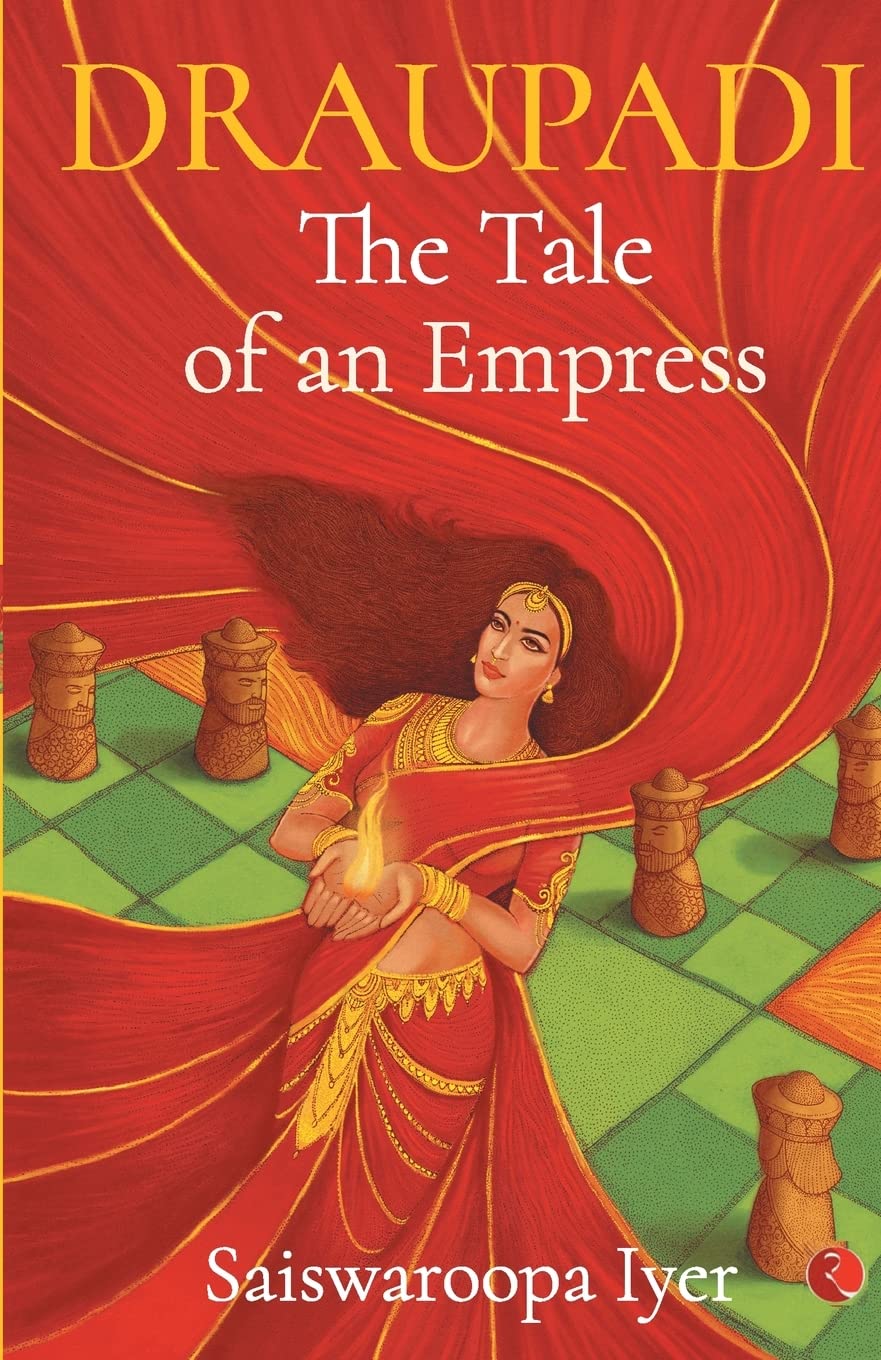
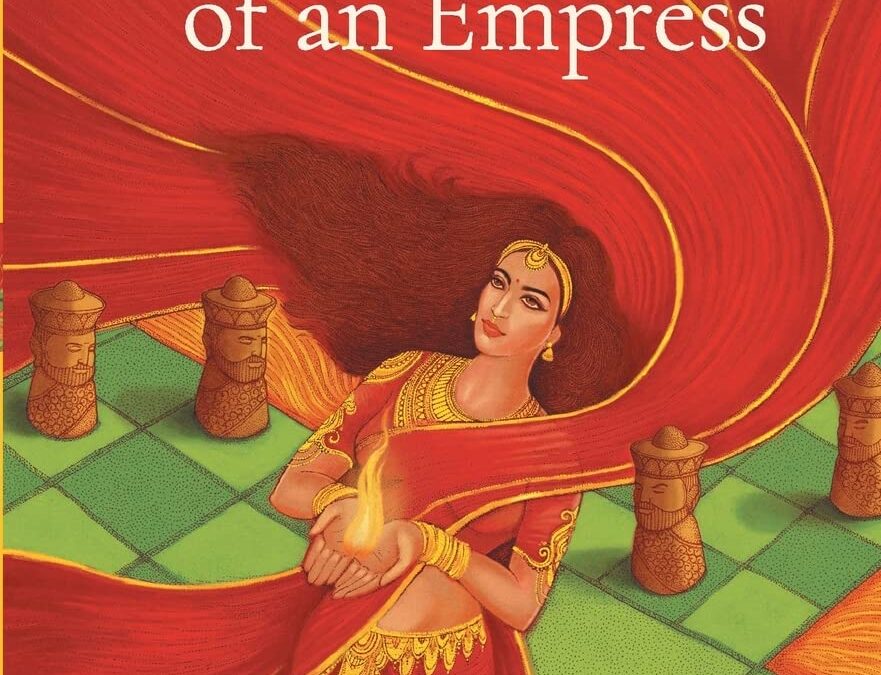
“Draupadi: The Tale of an Empress” by Saiswaroopa Iyer is a book I strongly recommend every parent read with their daughters or sisters. It’s a story that every girl should experience.
Draupadi in Different Lights
The character of Draupadi in the Mahabharata is multi-dimensional, with each retelling offering a new perspective. Pratibha Rai’s Yagyanseni presents Draupadi in one light, while Chitra Banerjee Divakaruni’s The Palace of Illusions offers a very different interpretation. After reading these two iconic versions, I wasn’t sure if Saiswaroopa Iyer could bring anything new to the table. However, I decided to keep an open mind and gave her book a try. And I was pleasantly surprised. Iyer offers a refreshing and unique take on Draupadi that sets her apart from previous portrayals.
A New Perspective on Draupadi
Traditionally, Draupadi has been depicted as a powerful woman driven by a desire for revenge. Someone who is dissatisfied with her polygamous marriage, reliant on Krishna and often showing a soft spot for Karna. But in Iyer’s rendition, Draupadi is an empress who is not consumed by vengeance. She doesn’t harbor admiration for Karna nor does she compare her husbands to each other. Crucially, she’s not wholly dependent on Krishna. Iyer’s portrayal presents a Draupadi who is far more independent, pragmatic and self-reliant, which makes for a compelling and enriching read.
Familiar with the Epic
Having read several versions of the Mahabharata, I was already familiar with the epic’s core storyline. Saiswaroopa Iyer assumes that her readers have a similar understanding. That is why she doesn’t rehash every detail of the battle or retell familiar events. Instead, she focuses on Draupadi’s inner journey and emotional evolution. While the brevity of some sections was effective, I found myself wishing for a deeper exploration of Abhimanyu’s tragic death. It is a moment that could have been further developed.
Emotional Resonance
A book’s story is crucial, but what truly makes it unforgettable is the emotional connection it fosters between the author and the reader. In this regard, Iyer succeeds magnificently. Her words have the power to stir deep emotions. There were several moments in the book when I had to pause and compose myself, as I found myself deeply moved by her portrayal of Draupadi’s emotions and experiences. I am certain that reading this to my sister would choke me up in several parts, as the depth of feeling is so beautifully conveyed.
Final Recommendation
If you’ve ever believed that Draupadi is the one responsible for the onset of the Kurukshetra war, this book will change your perspective entirely. I highly recommend it, not only for its fresh take on a well-known character but also for its emotional depth and the profound way it reshapes our understanding of Draupadi’s role in the Mahabharata.
You can buy this book by clicking my affiliation link here.